

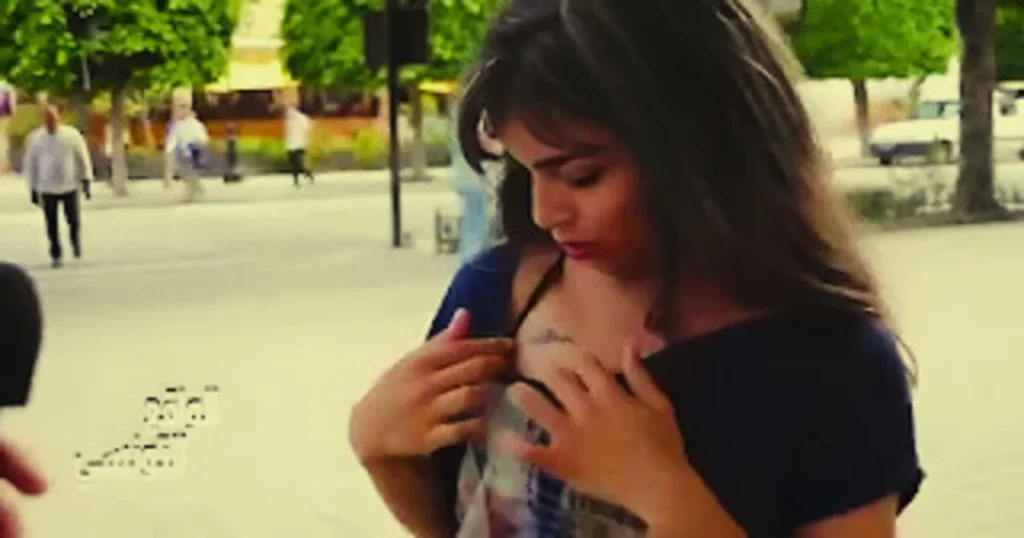
A Canvas of Change In the heart of North Africa, a silent but colorful revolution is taking place on the skin of young women. What was once a shrouded taboo or a sign of marginalization has transformed in 2026 into a booming industry and a powerful medium for self-expression. In Tunisia, the tattoo (Tattoo) is no longer just ink; it is a narrative of identity, memory, and freedom.
The Shift: From Taboo to Trendy Historically, tattoos in Tunisia were often associated with older Berber traditions or, more recently, seen as a sign of rebellion. However, the cultural landscape has shifted dramatically. Today, tattoos are a centerpiece of modern fashion. Tunisian youth are moving away from traditional views, embracing tattoos as a way to immortalize personal milestones or celebrate their individuality.
مقالات ذات صلة / Related Posts

Personal Stories: Ink with a Soul For many, like 20-year-old Amna, the decision to get a tattoo is deeply emotional. “My first tattoo was a tribute to my father, whom I lost when I was a child,” she shares. “It’s not just an ornament; it’s a story etched forever on my skin.” This sentiment is echoed across the country, as tattoos become “living archives” of personal history.
Women at the Forefront Data from tattoo studios in Tunis, Sousse, and Sfax reveals a surprising trend: women are significantly outnumbering men in seeking professional tattoos. Specifically, women aged 18 to 35 are leading this movement, viewing the art form as a reclaimed sovereignty over their bodies and a break from rigid social expectations.
Conclusion: A Cultural Crossroad The proliferation of tattoo art in Tunisia reflects a deeper societal transformation—a tug-of-war between conservative traditions and a modern desire for autonomy. Whether viewed as high art or a permanent scar, tattoos remain a captivating subject of debate in 2026, marking the skin of a generation that refuses to stay silent.
