


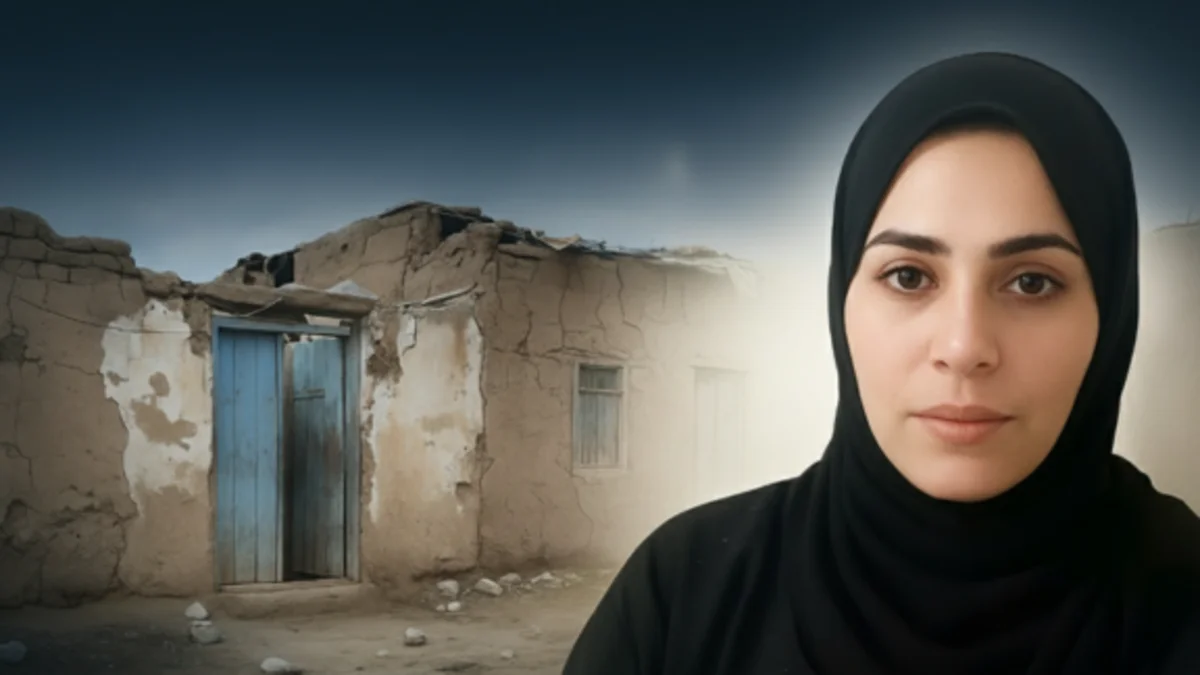
In the heart of Zaghouan, the tragic passing of Amel Kheder, a mother of three, has exposed the harsh reality of Tunisia’s growing social divide. Choosing to end her life after losing hope in a system that failed to provide her children with a dignified life, Amel’s story is a haunting reminder that for some, poverty is not just a struggle—it is a death sentence.
The Last Sacrifice
Before taking her own life, Amel left her children with a neighbor, a quiet farewell that ended in a national mourning. Her family’s inability to even cover basic burial costs highlights the extreme level of deprivation faced by thousands of families in rural areas. The intervention of the Tunisian Red Crescent to handle the funeral services served as a grim confirmation of the family’s destitution.
مقالات ذات صلة / Related Posts

A Structural Failure
Amel’s tragedy is a symptom of a deeper crisis: the collapse of social solidarity and the inadequacy of government safety nets. For the vulnerable mothers of inland Tunisia, the combination of rising inflation and the lack of sustainable income creates a state of “social suffocation.” This incident demands more than just mourning; it calls for urgent reform in how the state supports single-headed households and impoverished communities.
Who was Amel Kheder?
A mother from Zaghouan who committed suicide due to extreme poverty and financial despair.
How did the community respond?
There was an outpouring of grief and calls for the government to provide immediate support for her three orphaned children.
What is the lesson from this tragedy?
It emphasizes the need for proactive social monitoring and economic empowerment for women in marginalized regions.