


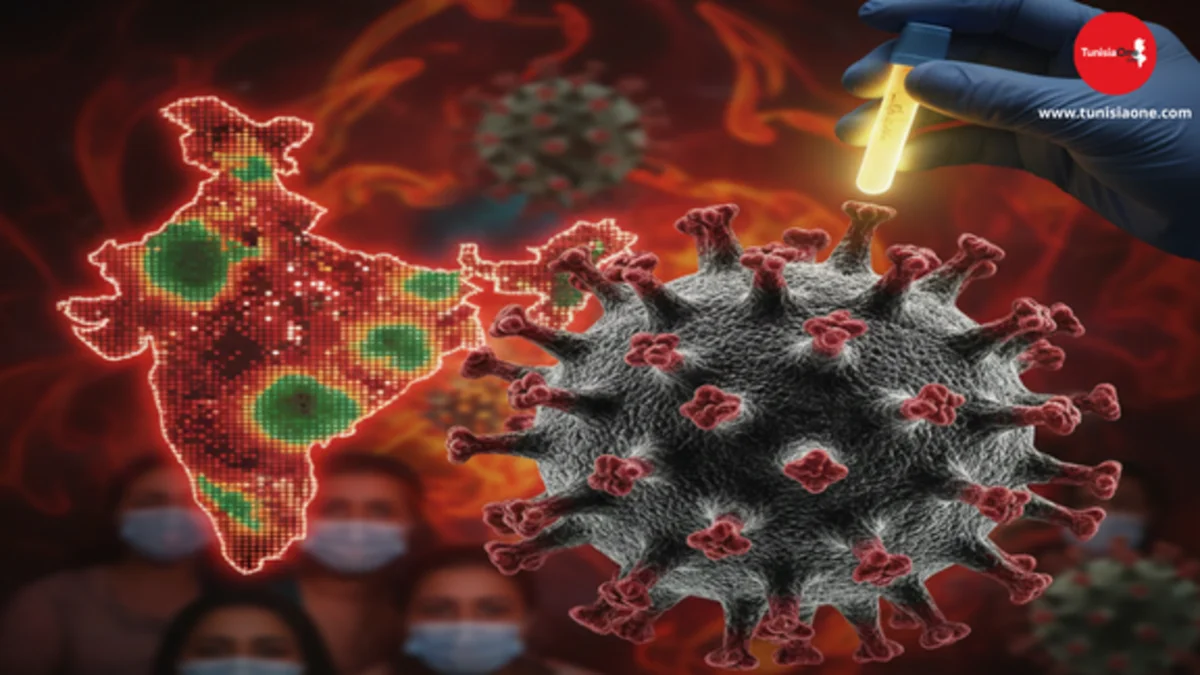
Health authorities worldwide are on high alert following confirmed cases of the Nipah Virus (NiV) in India. Known for its high fatality rate—reaching up to 75%—this zoonotic virus remains one of the most significant threats to global health security.
How Does it Spread?
Nipah is primarily transmitted from fruit bats to humans. Contaminated food (such as fruit juices or dates marked by bats) and human-to-human transmission through bodily fluids are the main infection routes. The 45-day incubation period allows the virus to spread unnoticed initially.
مقالات ذات صلة / Related Posts
 Tunisia Wage and Pension Increases 2026-2028: Official Dates and Details
  The Ultimate Salt Bath Guide: Science-Backed Benefits for Detox, Recovery, and Pure Bliss!
  Cat Fungal Infections: Comprehensive Guide to Symptoms, Causes, and Fast Recovery
  La Diphtérie en Afrique du Nord : Comprendre le Risque et l’Importance du Vaccin
Expert Opinion: The Situation in Tunisia
Speaking to TunisiaOne, Virology Professor Mahjoub Ouni provided a reassuring scientific perspective. He stated that Tunisia’s climate and its specific bat species are not conducive to the survival or spread of the Nipah virus. “The local ecosystem is vastly different from South Asia,” Ouni noted, downplaying the risk of a domestic outbreak.
What are the first signs of Nipah infection?
Fever, persistent headache, and respiratory distress.
Can Nipah virus be cured?
There is currently no dedicated vaccine or antiviral drug; treatment is limited to intensive supportive care.
Why is Nipah a global concern?
Due to its high mortality rate and the potential for human-to-human transmission in hospital settings.
مقالات ذات صلة / Related Posts
Tunisia Wage and Pension Increases 2026-2028: Official Dates and Details The Ultimate Salt Bath Guide: Science-Backed Benefits for Detox, Recovery, and Pure Bliss! Cat Fungal Infections: Comprehensive Guide to Symptoms, Causes, and Fast Recovery La Diphtérie en Afrique du Nord : Comprendre le Risque et l’Importance du Vaccin