


Last Updated: June 9, 2026
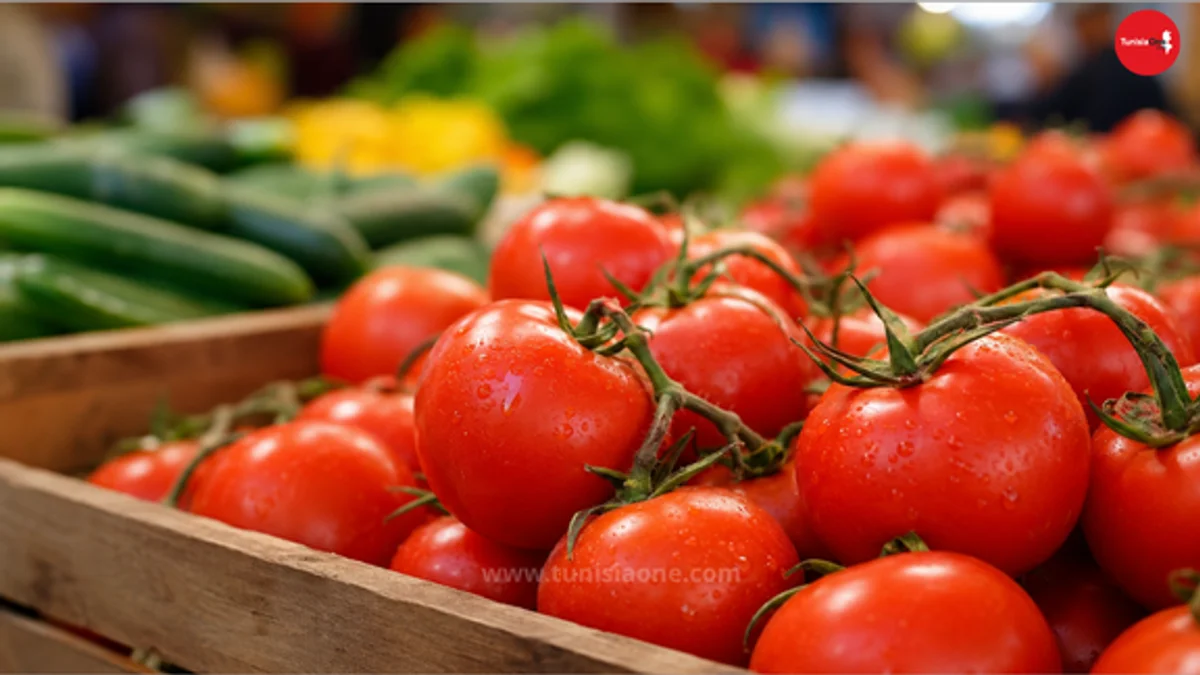
Tomatoes in Tunisia are a staple of our diet, yet their safety has become a major concern for many families following recent statements by Dr. Lamia Kellal, a professor of gastroenterology and hepatology at Mahmoud El Matri Hospital in Ariana. This article provides a comprehensive analysis based on scientific facts and current regulations to ensure the safety of tomatoes in Tunisia and help you make informed consumption choices this year.

Key Takeaways:
✅ Tomatoes are inherently healthy: They are a vital part of a nutritious diet.
✅ Risk is limited: Concerns apply only to crops illegally irrigated with untreated wastewater.
✅ Prevention is effective: Proper washing, peeling, and thorough cooking significantly reduce health risks.
Why Is Tomato Safety a Hot Topic in 2026?
The safety of agricultural products has returned to the forefront due to climatic pressures affecting this season’s harvest, prompting authorities to intensify surveillance. Furthermore, growing public awareness regarding the impact of diet on public health has made Tunisian consumers increasingly vigilant about the origins of their food.
Dr. Lamia Kellal’s Warning
In a statement to Mosaïque FM on June 6, 2026, Dr. Kellal emphasized that the risk does not lie in the tomato itself, but in “random and illicit irrigation practices.”
- Health Responsibility: The use of untreated wastewater for irrigation is a primary vector for dangerous pathogens.
- Food Security: This warning serves as a call for stronger individual and collective oversight of agricultural supply chains.
Is Wastewater Used Legally in Tunisia?
It is essential to distinguish between compliant and illegal practices:
- Treated Wastewater: Used legally in specific zones under the supervision of the Ministry of Agriculture, following strict laboratory testing.
- Untreated Wastewater: Strictly prohibited by Tunisian law. Such practices are treated as environmental and health crimes, with joint task forces actively destroying non-compliant crops.
How to Ensure the Safety of Tomatoes in Tunisia?
Ensuring food safety is a shared responsibility from the farm to the table. Consumers should prioritize official distribution channels that undergo regular health and veterinary inspections. Public awareness is key: purchasing vegetables from regulated points of sale remains the most effective defense against the risks associated with informal markets.
How to Protect Your Family from Food Contamination?
To ensure the highest level of food safety at home, experts recommend following these practical steps:
| Advice | Health Benefit |
| Buy from regulated markets | Ensures products meet health standards |
| Wash under running water | Removes surface contaminants |
| Peel and cook thoroughly | Kills potential pathogens |
| Avoid informal markets | Reduces exposure to unmonitored produce |
- Temperature Control: Keep food at appropriate temperatures to prevent bacterial growth.
- Personal Hygiene: Thoroughly wash hands and kitchen utensils before and after food preparation.
Risks Associated with Contaminated Vegetables
According to the World Health Organization (WHO), consuming crops irrigated with contaminated water can lead to:
- Hepatitis A: Particularly associated with water contaminated by untreated waste.
- Salmonella and E. coli: These cause acute gastrointestinal disorders requiring medical attention.
“The awareness of the Tunisian consumer is the first line of defense. Reporting irregularities in irrigation practices helps protect national crops. Supporting producers who adhere to health standards is a sustainable investment in our food security, aligning with government efforts to digitize agricultural monitoring by 2026.”
❓ Frequently Asked Questions (FAQ)
Should I stop eating tomatoes?
No, tomatoes are a nutritional pillar. Vigilance and proper washing/cooking practices are sufficient to mitigate risks
How can I identify a “safe” tomato?
Visual inspection is often unreliable. The golden rule is to purchase only from regulated markets
Are canned tomatoes safe?
Yes, the industrial thermal sterilization process ensures optimal safety in accordance with food processing standards
Related Articles
Sources and References:
- Statements by Dr. Lamia Kellal (Mosaïque FM, 06/06/2026).
- Periodic reports from the Tunisian Ministries of Agriculture and Trade.
- Tunisian standards regarding water use in agriculture.
- WHO Recommendations for Food Safety.