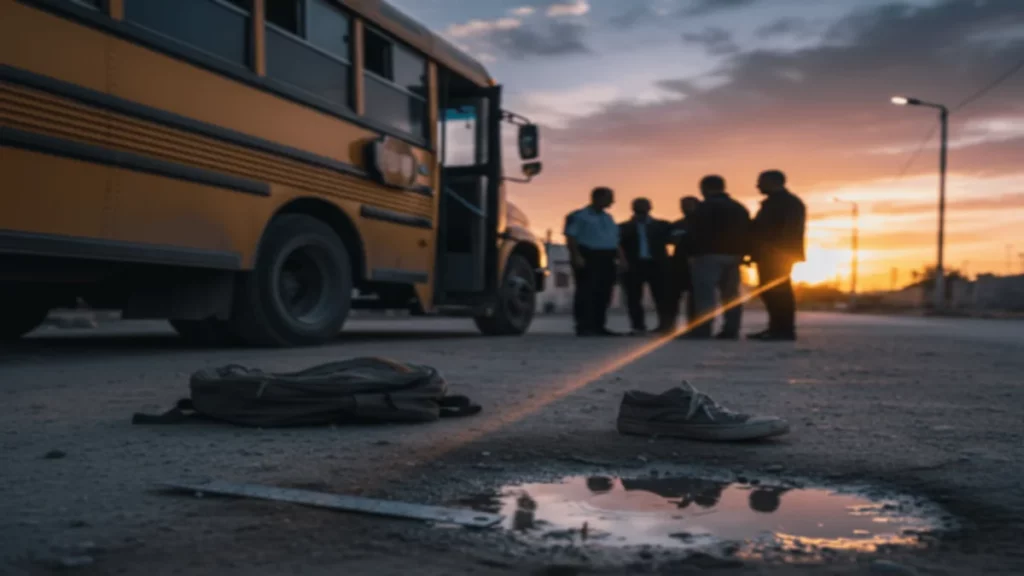
A “routine dispute” between students on a school bus in Ras Jebel, Bizerte, took a dramatic and disturbing turn. Upon disembarking, the confrontation escalated into a knife fight, leaving two students hospitalized, one in critical condition. This is no longer just an individual behavioral issue; it is a sign of a societal crisis infiltrating educational institutions. The urgent question remains: What drives minors (aged 15-17) to carry weapons in their school environment?
1. Tunisian Schools in the Crosshairs: Root Causes Social analysts link the spread of physical violence and the use of sharp objects to three key factors:
مقالات ذات صلة / Related Posts

- Social Environment: Students are a mirror of their surroundings. The rise in crime and drugs in certain neighborhoods directly influences adolescent behavior.
- Lack of Parental Supervision: A breakdown in communication between parents and schools, coupled with a lack of oversight regarding what children carry, contributes to the presence of weapons.
- Institutional Failure: The fact that the incident occurred right after leaving school transport raises questions about the lack of monitoring and security in student transit areas.
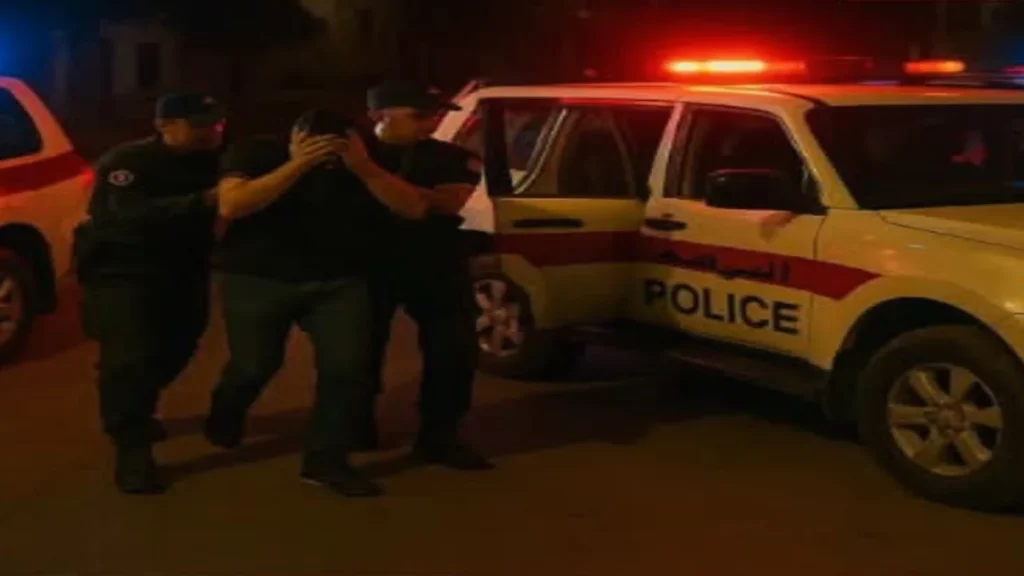
2. Security Action and Judicial Expectations The security response in Bizerte was swift, with the judicial police arresting six minors involved.
- A Necessary Deterrent: Strict judicial measures are crucial to send a strong message that the use of violence and weapons is a crime with zero tolerance.
- Identifying Motives: Investigations are ongoing to determine if this was a fleeting dispute or connected to organized violence networks.
Tunisia’s educational system needs a lifeline that protects it not just from administrative crises, but from the rampant violence threatening student safety. The challenge lies in replanting values of dialogue and tolerance in the next generation.