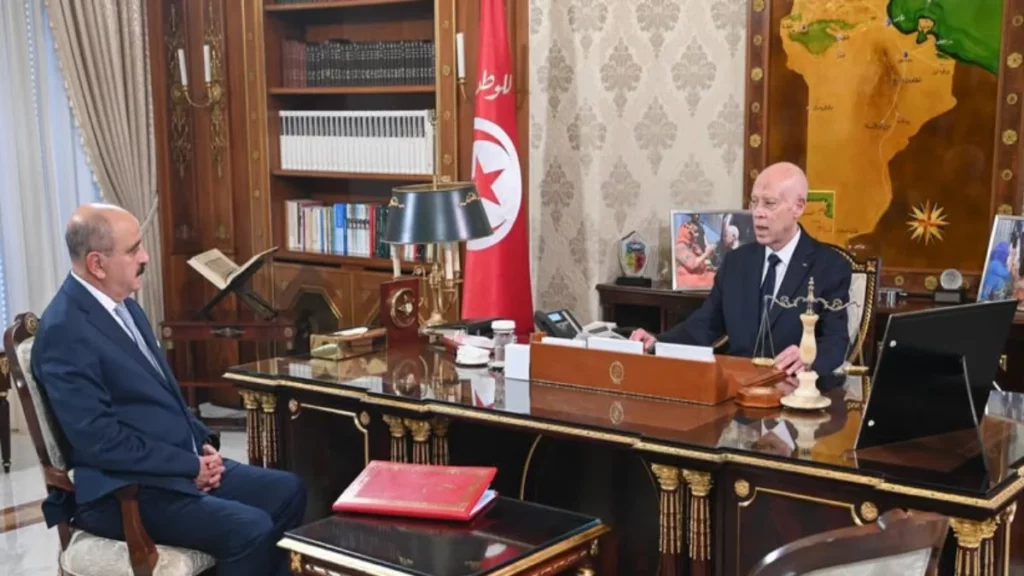

Wage reform has become a cornerstone of Tunisia’s national economic recovery plan. Following significant statements by the Minister of Social Affairs, Issam Ahmar, a clear trajectory for salary increases between 2026 and 2028 has been established. This comprehensive strategy aims to tackle the erosion of purchasing power caused by global economic shifts while ensuring a fair distribution of national wealth among the workforce.
Building on the Foundations (2024-2025)
The government’s proactive stance began with Decree No. 419 of 2024. This legislation facilitated two consecutive wage hikes in record time: a 7% increase in May 2024 and a subsequent 7.5% increase in January 2025. These measures targeted workers under the Labor Code, providing immediate relief and setting the stage for more structural adjustments in the upcoming fiscal years.
مقالات ذات صلة / Related Posts
 Tunisia Social Support: How to Receive a 350 TND Monthly Grant via the Elderly Family Placement Program
 Proposal to Defer Loan Installments in Tunisia: A Parliamentary Initiative to Support Purchasing Power in 2026
 Tunisia’s 2026 Interest-Free Loan Program: How to Apply for a 10,000 DT Small Business Grant via the Ministry of Employment
The 2026 Finance Law: A Three-Year Vision
The most vital development for Tunisian employees is the 2026 Finance Law. Minister Ahmar confirmed that the government has committed to a series of progressive wage increases scheduled for 2026, 2027, and 2028. This multi-year implementation plan is designed to provide economic predictability for households, allowing citizens to plan their financial futures with greater confidence. By spreading the increases over three years, the state ensures that the national budget remains balanced while providing consistent support to the labor market.
Economic Impact and National Dialogue
The Ministry of Social Affairs views these salary adjustments as part of a broader “Social Contract.” The strategy focuses on:
- Fair Wages: Aligning compensation with the current cost of living and inflation rates.
- Economic Resilience: Strengthening the domestic market by boosting consumer spending.
- Balanced Growth: Working closely with social partners to ensure that wage growth does not compromise the viability of private enterprises.
Minister Issam Ahmar reiterated that the government’s priority is to achieve a “just wage” that honors the dignity of the Tunisian worker. This plan is also linked to wider reforms in vocational training and digital labor management, ensuring that the Tunisian workforce remains competitive in a rapidly changing global economy.
Payment Schedule: Retroactive Effect Expected in May 2026
“In addition to the planned increments, internal reports suggest that these wage adjustments are expected to be implemented with a retroactive effect starting from May 2026. This means that employees would receive back-pay for the initial months of the year, providing a substantial financial boost to the workforce. This strategic move aims to ensure that the benefits of the 2026 Finance Law are fully realized by citizens, reinforcing the government’s commitment to timely and effective social support.”
When will the 2026 increments take effect?
Implementation follows the official publication of the 2026 fiscal decrees.
Who benefits from these increases?
Most workers in the public and private sectors, particularly those earning minimum wage.
Is this part of a larger reform?
Yes, it is integrated into the 2026-2028 national social and economic stability plan.
مقالات ذات صلة / Related Posts
Tunisia Social Support: How to Receive a 350 TND Monthly Grant via the Elderly Family Placement Program
Proposal to Defer Loan Installments in Tunisia: A Parliamentary Initiative to Support Purchasing Power in 2026
Tunisia’s 2026 Interest-Free Loan Program: How to Apply for a 10,000 DT Small Business Grant via the Ministry of Employment