The 2026 Earthquake and the End of an Era
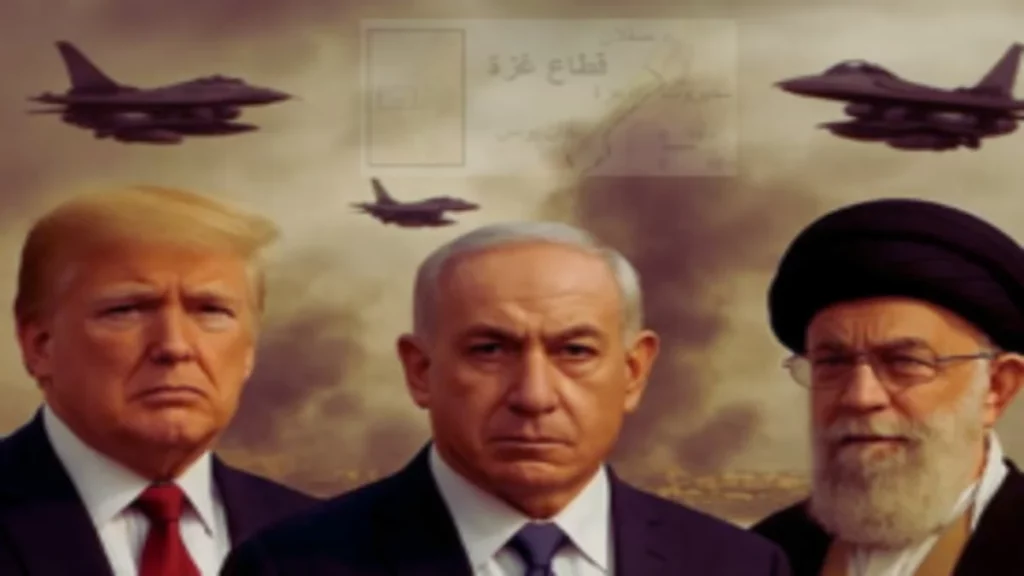
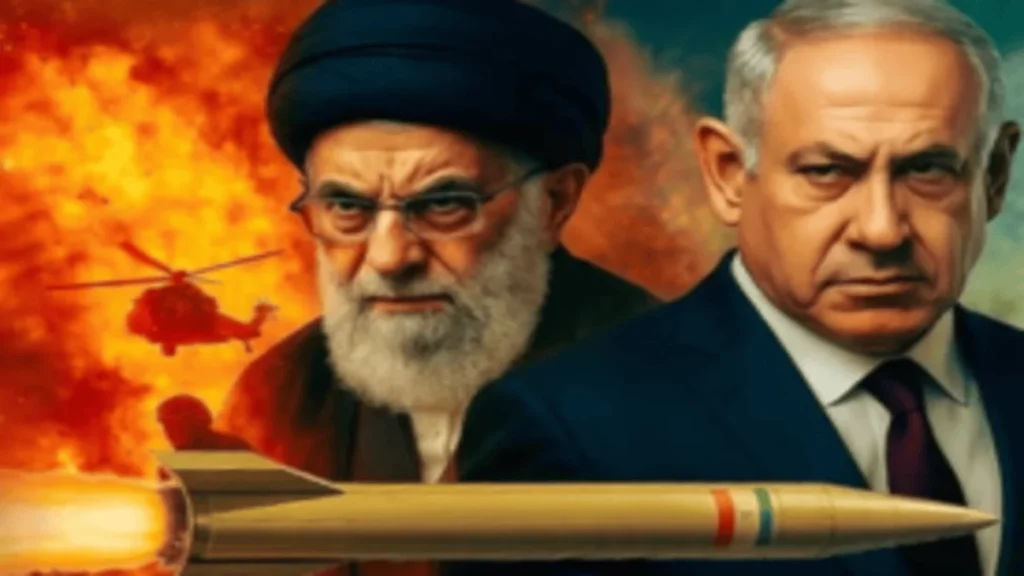
On Saturday, February 28, 2026, the world woke up to a scene previously thought impossible: thick plumes of black smoke covering the skyline of Tehran following a massive joint Israeli-American airstrike. By the early hours of March 1st, the news that shook the foundations of the Middle East was confirmed: The Supreme Leader, Ali Khamenei, was assassinated in a direct hit on his residence. This event was not merely a military strike; it was the spark that ignited the fiercest regional war of the 21st century, pushing Iran to a historic crossroad.
I. The Ongoing War: “Epic Fury” and the Iranian Retaliation
We are now on the fourth day of an all-out regional war. The operation launched by Israel and Washington, titled “Epic Fury,” targeted Iran’s command-and-control centers and the Supreme Leader’s headquarters in its opening hours.
مقالات ذات صلة / Related Posts
 من هو علي رضا عرفي مرشد إيران الجديد والمعروف بتشدده؟
 Mojtaba Khamenei: Injury Details and Health Status of Iran’s New Supreme Leader After Tehran Strikes
 Berlin Airport Paralyzed: “Black Ice” Halts All Flights Until Further Notice
 France’s Work Revolution: The New “AI and Remote Work” Law Sparks Debate
- The Sudden Retaliation: Tehran’s response was swift. Hundreds of ballistic missiles were launched, reaching the heart of Tel Aviv and targeting major U.S. bases in Qatar, the UAE, and Bahrain.
- The Hormuz Shutdown: In a bold sovereign move, the Iranian leadership officially closed the Strait of Hormuz. This decision sent global oil and gold prices into a vertical spike, turning the region into an “open battlefield” that threatens the global economy.
II. Who is Ali Reza Arafi? Leadership in the Age of “No Return”
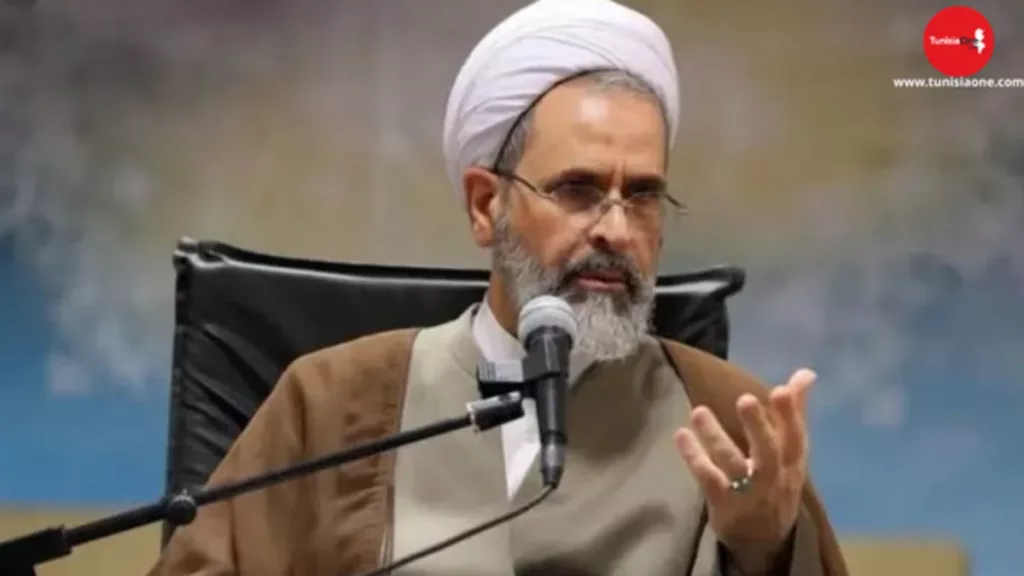
Amidst this chaos and due to the urgent requirements of the transitional phase, the duties of the Supreme Leader have been temporarily transferred to Ali Reza Arafi. Arafi immediately joined the “Transitional Governing Council,” which currently manages the country’s affairs alongside President Pezeshkian and the Chief of the Judiciary. However, Arafi has emerged as the “Strongman” and the primary driver of both military and religious decisions.
Profile of a Hardline Leader:
- Vice-Chairman of the Assembly of Experts: He leads the very constitutional body responsible for electing a permanent successor.
- Architect of Regional Influence: Arafi spent his career managing the spiritual centers and seminaries in Qom. There, he oversaw the training of the religious and military elites who now lead the frontlines in Iraq, Syria, and Lebanon.
- Ideological Hardliner: Known for his absolute rejection of any negotiations under fire, Arafi adopts a “tooth for a tooth” doctrine. This explains the intensification of Iranian strikes despite the heavy bombardment of Tehran.
III. Why is Arafi Considered the “Most Dangerous” Choice for Israel?
Analysts believe that Arafi’s emergence at the top of the hierarchy is a clear message from Tehran: “The system did not break with the loss of its head.”
- Strategic Continuity: Arafi represents the hardened religious elite that has prepared for this confrontation for decades. He is not a man of compromise.
- Spiritual Mobilization: Using his religious authority, Arafi is transforming the military conflict into a “Holy Struggle,” which significantly increases the ferocity of the fighters on the ground and the “Axis of Resistance.”
- The Pivot to the East: Arafi is pushing for a deeper military and strategic alliance with China and Russia to shatter Western hegemony, placing Washington in a difficult international deadlock.
IV. What the Media Hides About the “Transitional Phase”
Reports suggest that under Arafi’s leadership, the country is being managed from highly fortified underground bunkers. Leaked information indicates that Arafi has granted the Revolutionary Guard full authorization to deploy “Strategic Weapons” (asymmetric and high-tech) if the strikes on Iranian cities continue.
Conclusion: The assassination of Khamenei in the early days of the war did not end the conflict as Tel Aviv had hoped. Instead, it gave rise to a more determined and radical leadership led by Ali Reza Arafi. We are witnessing a new Middle East being reshaped by missiles and “hard-power” diplomacy, where there is no longer any room for middle-ground solutions.